In class?
- They get it. If they don’t, they ask questions.
 They listen, watch, practice and try.
 - They focus when they need to. When instructions are given. When work needs to get done. They use strategies that help them focus for that time.
- They take good notes. Notes that help them to study for the exam. Notes that help them remember important details from the teacher. Their bookwork is neat and complete. Bullet points are best.
At home?
- They have routines that work. Daily and weekly routines that allow time for what is important.
- They have a good study space. Away from distractions. Everything you need at hand.
- They look after their health. Good sleep is essential for your brain, memory and mental health. Regular exercise, hydration and good food are not negotiable.
To study?
- They have a ‘To Do’ list. Don’t try to remember everything, just write it down. Free up some brain space. Then prioritise what needs to be done.
- When motivation is low, they start with a simple, little job. Big tasks can overwhelm and that kills motivation. Just pick the first bit and get that done quickly. Then you’ll feel better.
- They maximise focus. Set a 20-minute timer to get as much done as you can. Keep distractions away and bring yourself back to the job if you wander. Then have a break that involves moving – grab a drink or play with the dog.
- They understand the task. They know what the exam will cover, where the scaffold is for the essay, what resources there are and what the focus of the question is. They check the task criteria sheet carefully.
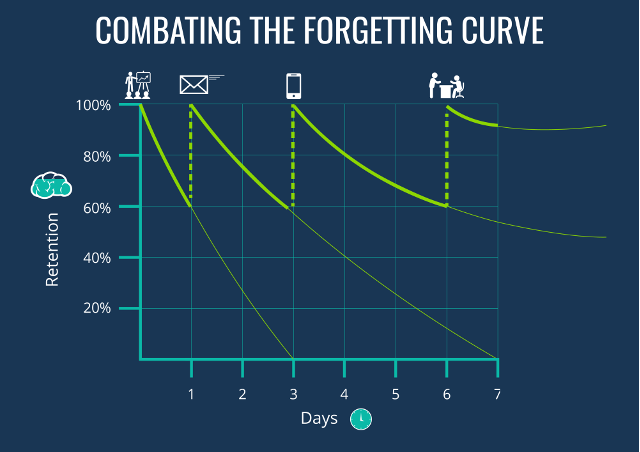
- Use regular, spaced revision. Repetition is key, with increasing time between recall to combat the ‘forgetting curve.’
- Have active study techniques. They make flashcards, summarize study notes, quiz each other, explain it to someone, use practice exams, acronyms and acrostics.